Old mine cut
The diamond cut of the eighteenth and nineteenth centuries: a cushion-shaped outline, a high crown, a small table and an open culet, cut by hand.
The old mine cut is the ancestor of the modern brilliant. It takes its name from the old mines of India and Brazil that supplied diamonds before the South African discoveries of the 1870s. Cut by hand, it follows the shape of the rough crystal, which gives it a softly squared, cushion-shaped outline.
Compared with a modern diamond, an old mine cut has a high crown, a small table and a large culet: the small facet at the bottom, visible through the table as a little circle or octagon. The result is less bright and more fiery, with broad flashes of color that look best by candlelight, which is the light it was cut for.
Old mine cuts are found in Georgian and Victorian jewels and in many engagement rings of the period.
What to look for
No two old mine cuts are identical. Look for good proportions, an even outline and a culet that is open but not distracting. A stone that is perfectly symmetrical and very bright may be a modern copy of the style.
In the collection
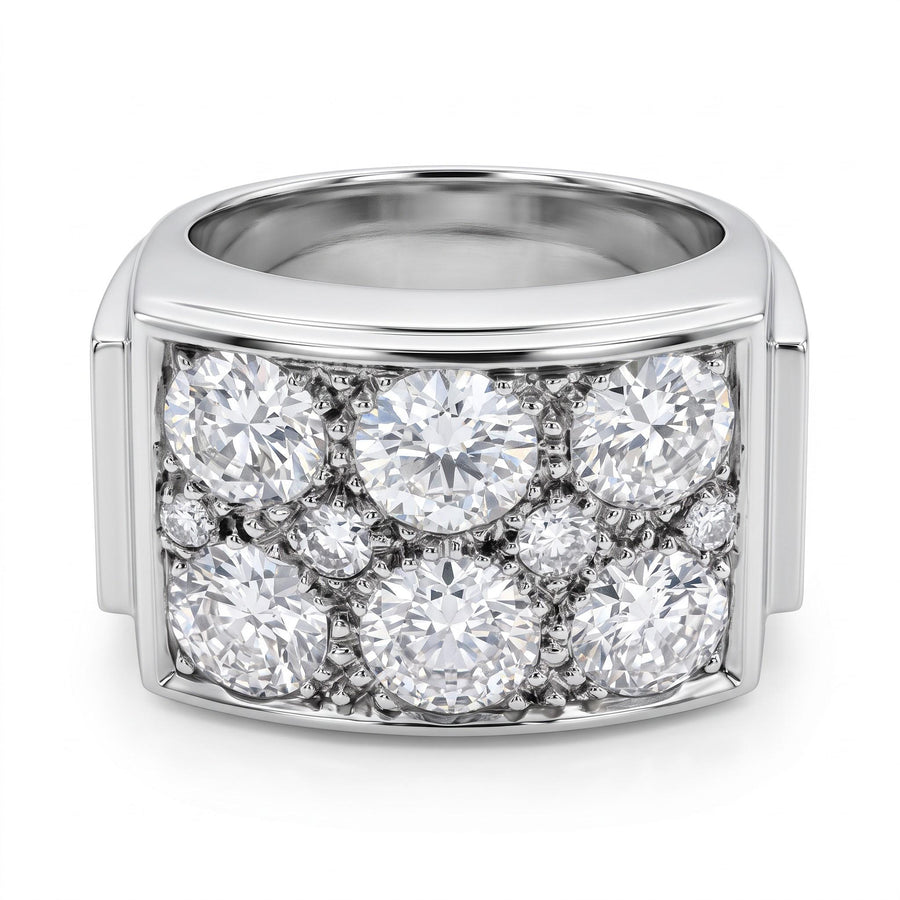
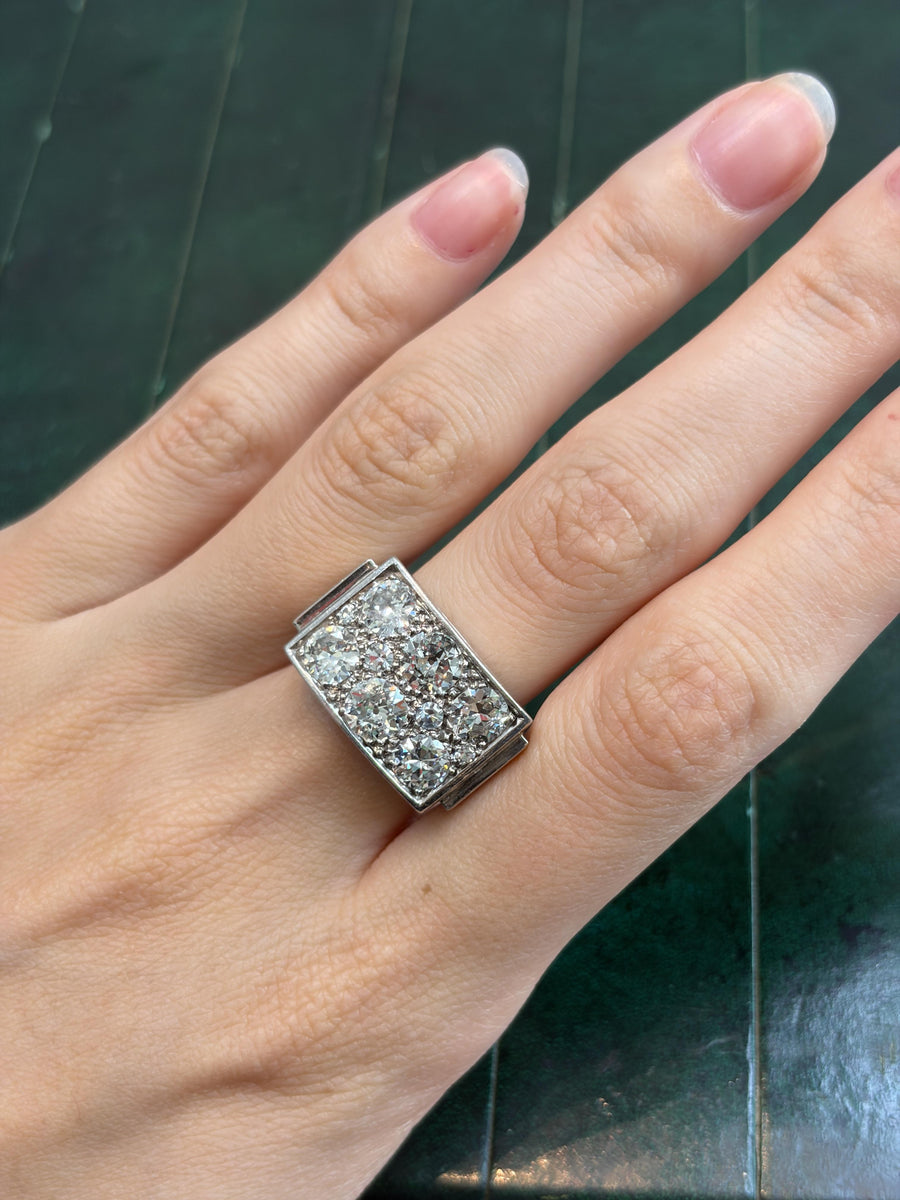
Old mine cut, available now




Related terms