Buying Guides · November 6, 2026 · 3 min read
How to Buy Vintage Van Cleef & Arpels: Signatures, Transformations and the Designs to Know
Van Cleef & Arpels is the house of poetry in jewelry: fairies and ballerinas, flowers, jewels that change shape, stones held without visible metal. Vintage pieces are among the most sought after of any house, which is exactly why they reward a careful eye. Here is how to read one.
Paris and New York
The house opened on Place Vendôme in 1906, and the family opened in New York in 1939. For the following decades there were, in effect, two sources of Van Cleef & Arpels jewels, and the place of making is part of a piece’s identity.
- Paris pieces carry French assay marks (the eagle’s head for gold, the dog’s head for platinum) and the maker’s mark of the Paris workshop that made them, beside the house signature.
- New York pieces carry no state hallmark. They are marked for the metal, signed, and often identified as American-made. Some were made for the house by outside New York workshops.
Neither is better in itself. The ballerina and fairy clips that collectors love most were born in New York in the 1940s.
The signature and the number
Van Cleef & Arpels pieces are signed, either in full or with the VCA initials, and usually numbered. The style of the signature and of the number changed over the decades. As with every great house, what matters is that the signature, the number, the marks and the design all tell the same story. A signature that is too sharp for a worn piece, or too modern for its design, needs an explanation.

The designs collectors look for
- The Mystery Set. Patented in 1933: rubies or sapphires slid onto fine gold rails so that no metal shows. It takes hundreds of hours, and it is fragile. Check every stone for chips, and ask whether any have been replaced.
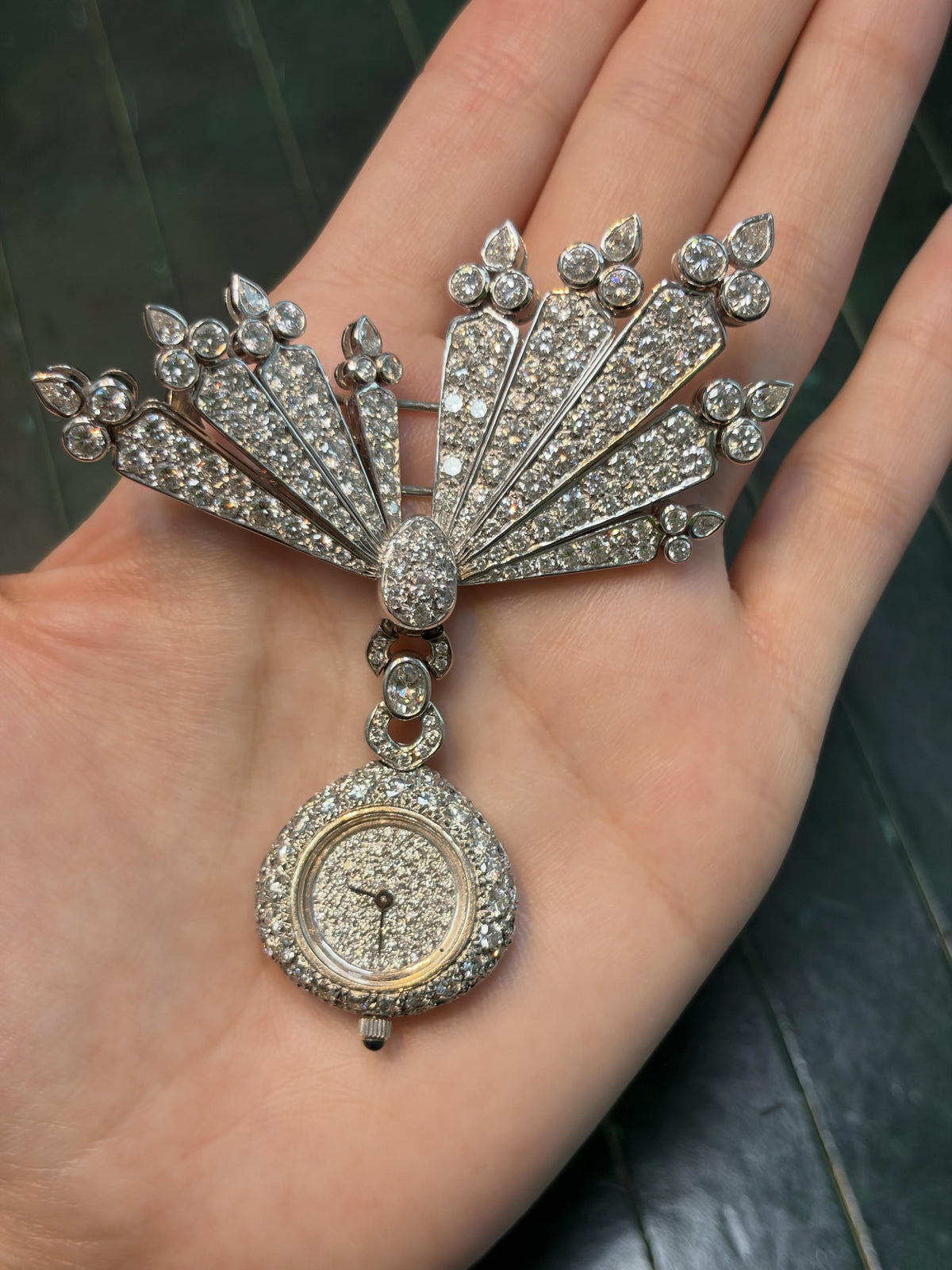
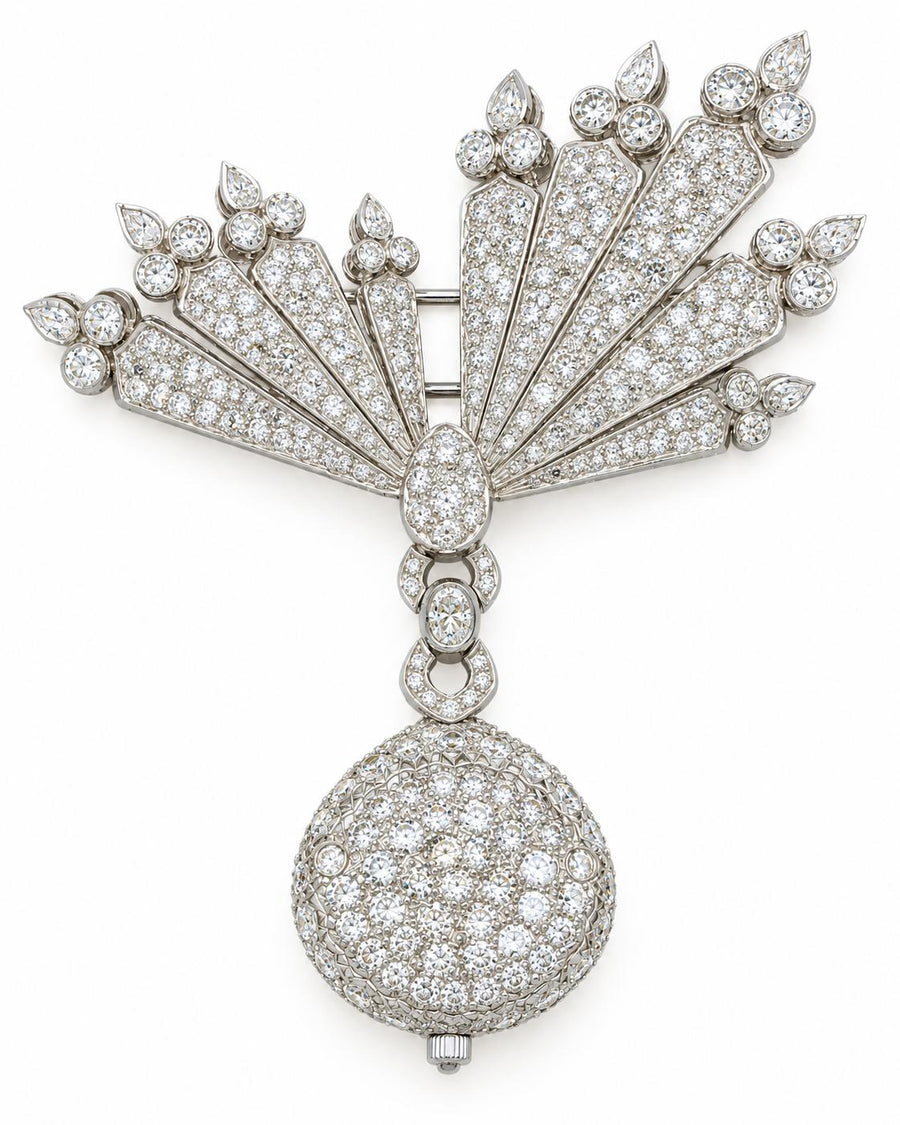
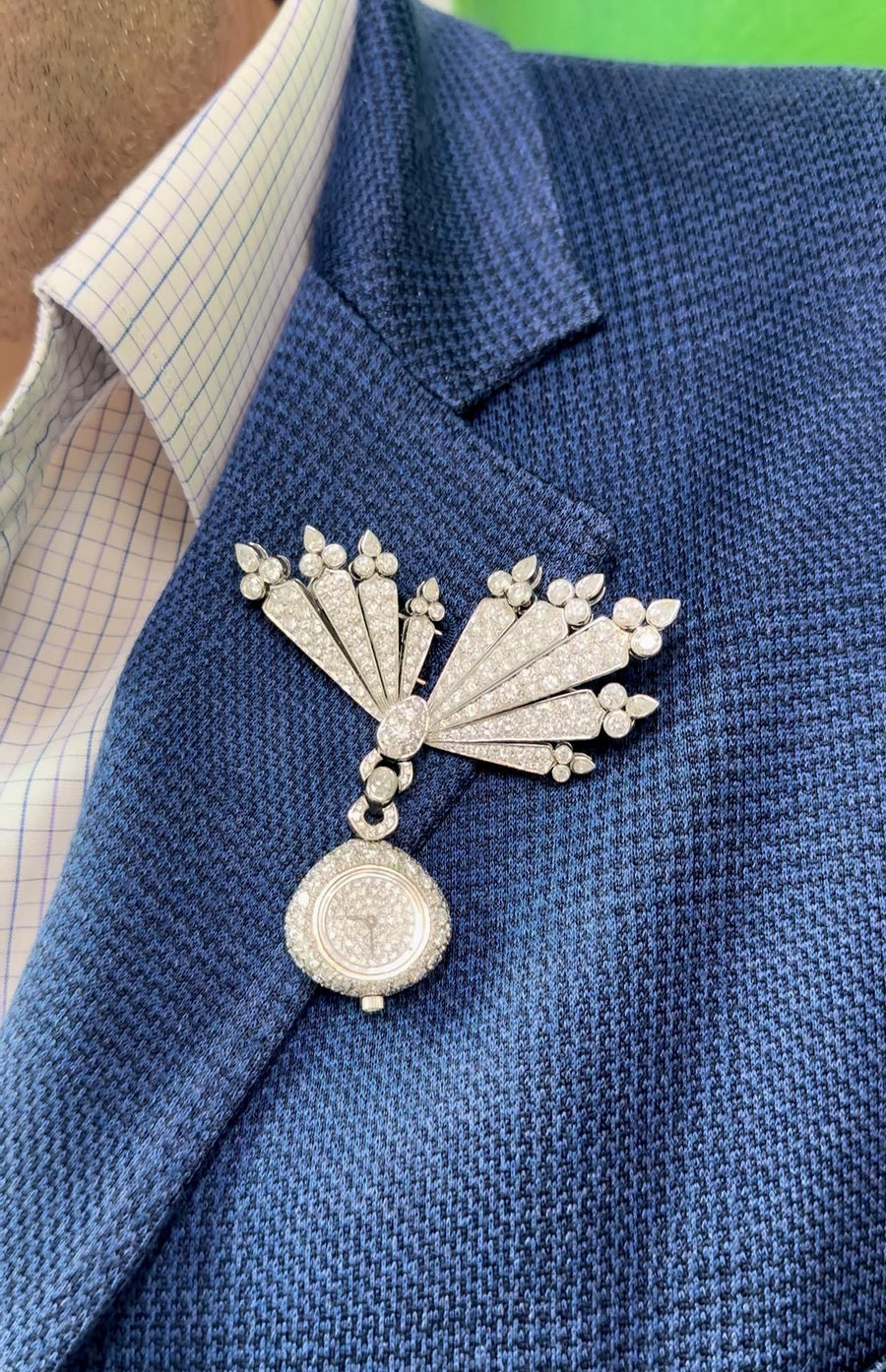
- Transformable jewels. From the Passe-Partout of 1938 to the Zip necklace, realized in 1951, the house loved jewels that change: a necklace that becomes a bracelet, a clip that becomes a brooch or a watch. Make sure every part and fitting is present and works.
- Ballerinas and fairies. The clips of the 1940s, in gold, diamonds and colored stones, with rose-cut diamond faces.
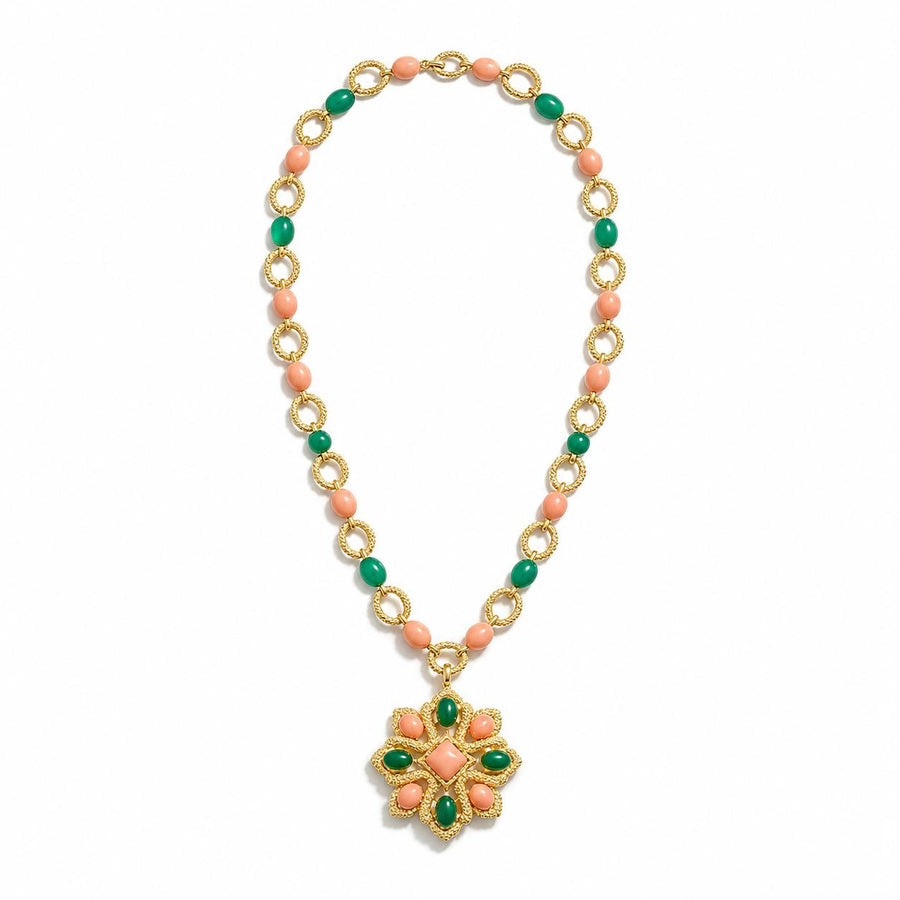
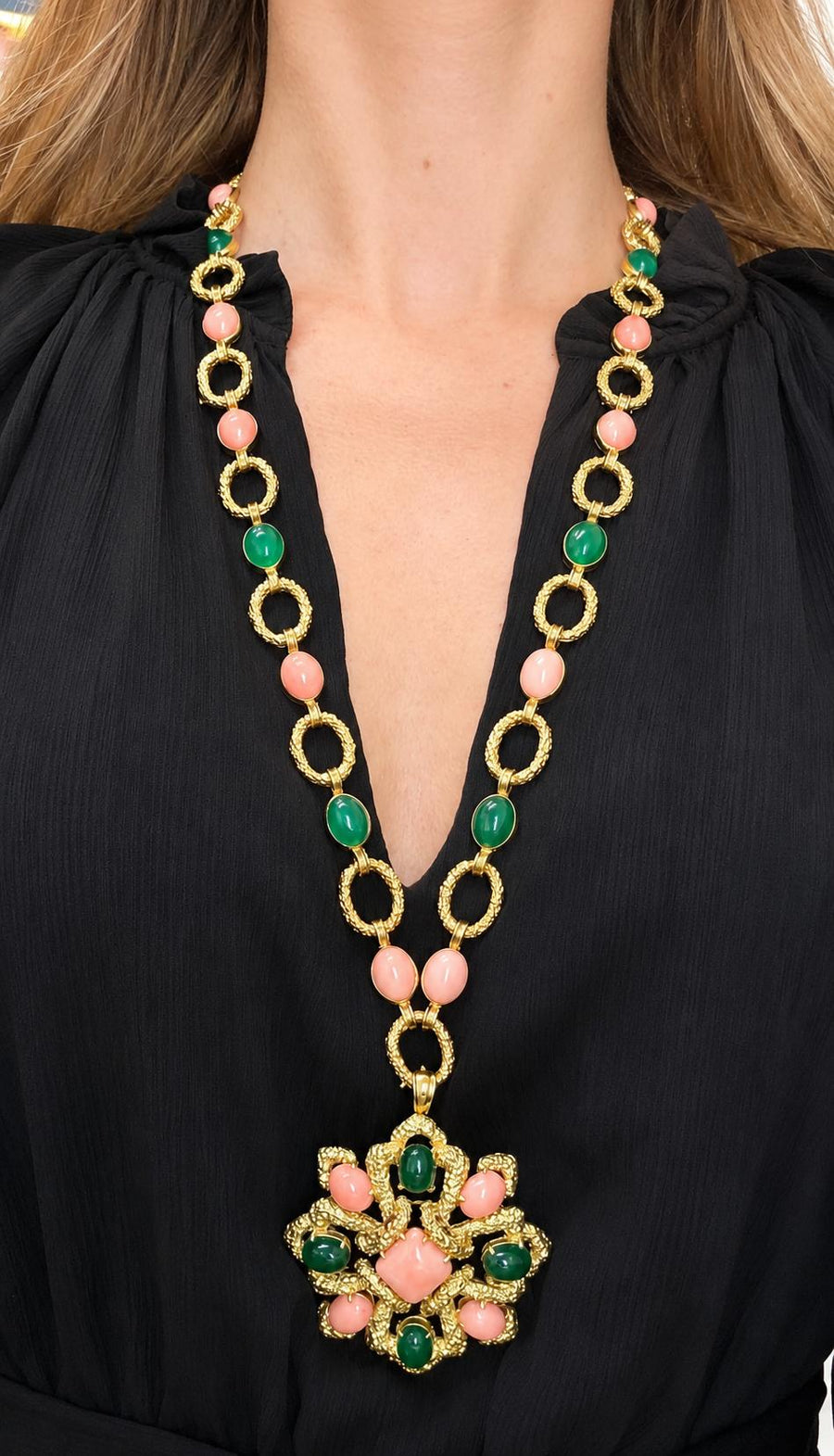
- Bold gold. The sculpted and textured gold of the 1960s and 1970s, often with coral, turquoise, lapis or onyx.
- The Alhambra. Introduced in 1968 and inspired by the four-leaf clover. Vintage Alhambra differs from today’s production in details of construction and finish, and it is the most copied design of the house.


Alhambra: what to check
Because it is so widely copied, check several things together: the signature and serial number on the clasp, the quality of the stone or mother-of-pearl in each motif, the beaded gold border, the way the motifs are linked, the clasp itself and the weight. If one detail does not agree with the others, the piece should be examined by a specialist.
Watches and objects
The house made jewel watches and objects too: the Ludo bracelet of the 1930s, with its supple gold bricks or honeycomb, and later jewel watches hidden in clips and brooches. For a watch, ask about the movement and its service history as well as the case.

Condition and changes
Look for replaced stones, especially in mystery settings and pavé, resized rings, converted earrings, and repairs at hinges and clasps. In transformable pieces, missing parts change the value. None of this is unusual in a jewel that has been worn for decades, but all of it should be disclosed.
Papers
An original box, a receipt or a house certificate adds confidence and value, and the house can examine a piece and compare it with its records. For important stones, a laboratory report matters as much as the signature.

Van Cleef & Arpels at Odeon
Every Van Cleef & Arpels piece in our collection is examined for its signature, number, marks, period and craftsmanship before it is offered, and we describe what we see. See the pieces available now in our Van Cleef & Arpels collection, read about the house in Van Cleef & Arpels: elegance and timeless design, or book a private viewing at 608 Fifth Avenue or by video. For the general method, see How to Buy Vintage Signed Jewelry.
In the collection
Van Cleef & Arpels pieces available now


A jewel in mind?
Looking for a particular piece? We find jewels for collectors every week.
The Journal


