Buying Guides · November 6, 2026 · 3 min read
How to Buy Vintage Cartier: Signatures, Marks and the Designs to Know
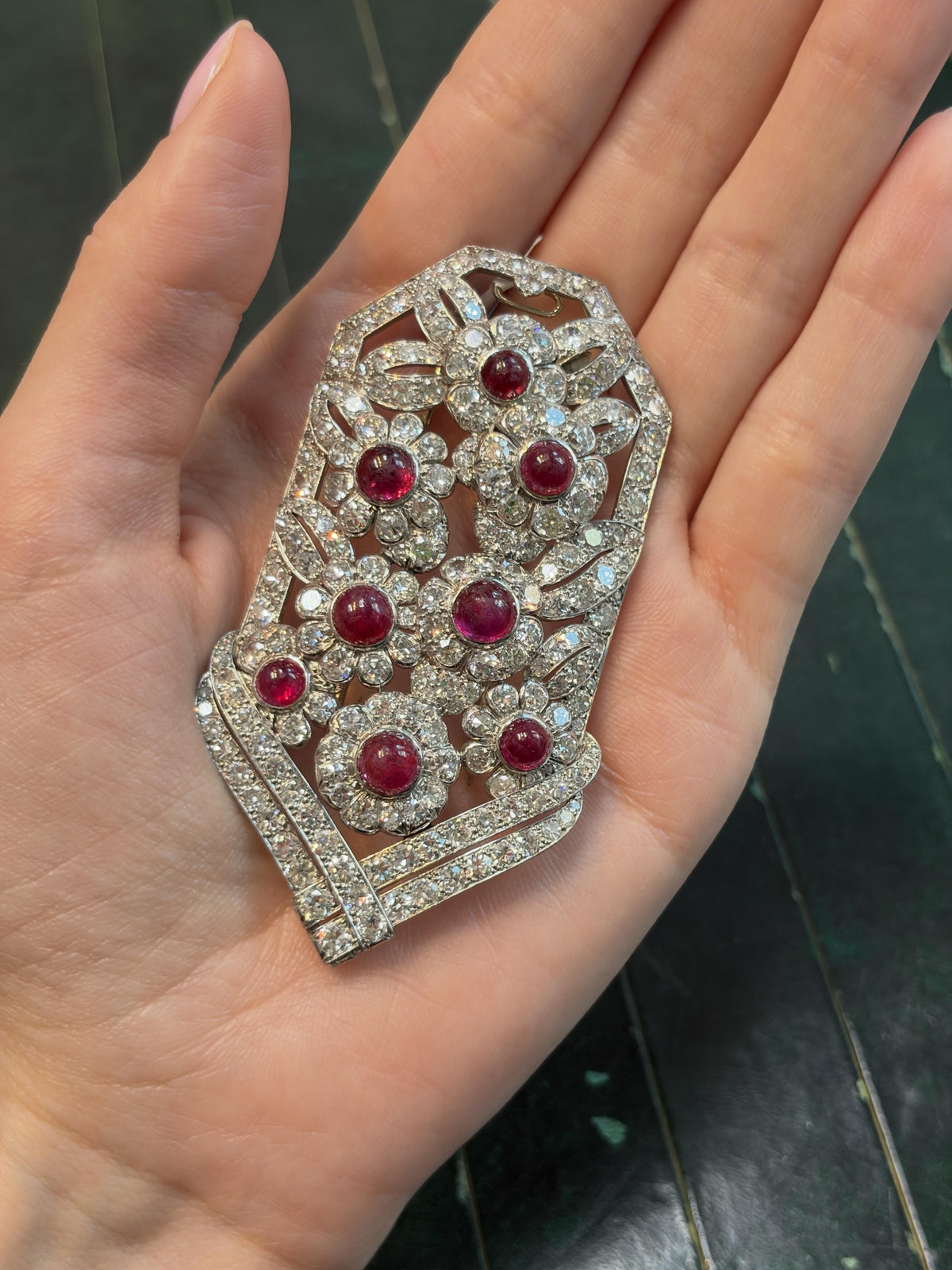
Cartier is the most collected name in vintage jewelry, and the most copied. The good news is that a genuine Cartier piece tells you a great deal about itself, if you know where to look. This is a guide to reading one, from the Art Deco years to the Love bracelet.
Paris, London, New York
For much of the twentieth century Cartier was three houses run by three brothers: Louis in Paris, Pierre in New York and Jacques in London. Each had its own clients, its own workshops and, to a degree, its own style. The city is part of a piece’s identity and often appears in the signature.
- Cartier Paris. Many Paris jewels were made for the house by independent Paris workshops. Alongside the signature they carry French assay marks (the eagle’s head for gold, the dog’s head for platinum) and the workshop’s maker’s mark in a lozenge.
- Cartier London. From the 1920s many London pieces were made in the house’s own London workshop, with British marks.
- Cartier New York. American pieces carry no state hallmark; they are marked with the karat or PLAT alongside the signature.
Collectors often value Paris and London pieces of the Art Deco period most highly, but a great New York piece is a great piece.

The signature and the number
Most Cartier jewels are signed and carry a serial number. The form of both changed over the decades, and later pieces add the © mark beside the name. What matters is that the signature, the number, the marks and the design all point to the same place and the same time. A design from the 1930s with a signature style from the 1990s, or Paris marks on a piece signed New York, needs an explanation.
Look at the quality too. Cartier signatures are cleanly struck or engraved, well spaced and properly placed. On a worn piece they should be worn in the same way as the metal around them.
The designs collectors look for
- Art Deco. Platinum and diamonds in strict geometry, often with onyx, coral or emeralds. Check settings and stones closely; replaced stones in a modern cut lower the value.
- “Tutti Frutti.” Carved rubies, emeralds and sapphires set among diamonds, from the 1920s and 1930s. Among the most valuable Cartier jewels, and among the most often restored. Original carved stones matter.
- The panther. Jeanne Toussaint’s emblem. The first fully three-dimensional panther brooch was made for the Duchess of Windsor in 1948. Panthers have been made in every decade since, so the period of a panther makes a great difference to its value.
- Trinity. Three interlaced bands of gold, designed in 1924 and made ever since.
- The Love bracelet and Juste un Clou. Designed by Aldo Cipullo in 1969 and 1971. Early examples are particularly sought after.
- Les Must de Cartier. From the 1970s, a more accessible line. Many pieces are in silver-gilt (vermeil), not gold, which is the first thing to establish.


Love bracelets: the most copied jewel in the world
No design is copied more than the Love bracelet. Copies range from crude to convincing, so check several things together:
- the engraving of the signature, the serial number and the size, crisp and correctly placed;
- the screws, which should be precisely made and sit flush, and the screwdriver, if it is present;
- the weight, which should match a genuine bracelet of the same size and metal;
- the finish inside and out, and the way the two halves meet.
The same checks apply to Juste un Clou. If anything does not agree, the bracelet should be examined by a specialist.
Condition and changes
Look for resized rings, converted earrings, replaced stones, re-tipped prongs and repairs at hinges and clasps. Heavy polishing softens edges and signatures. None of this makes a piece less Cartier, but all of it should be disclosed, and it is reflected in the price.
Papers and archives
An original red box, a Cartier receipt or a certificate adds confidence and value. Cartier can examine a piece and compare it with its archives, usually for a fee. For important stones, a laboratory report, stating origin and treatment for colored gems, can matter as much as the signature.


Cartier at Odeon
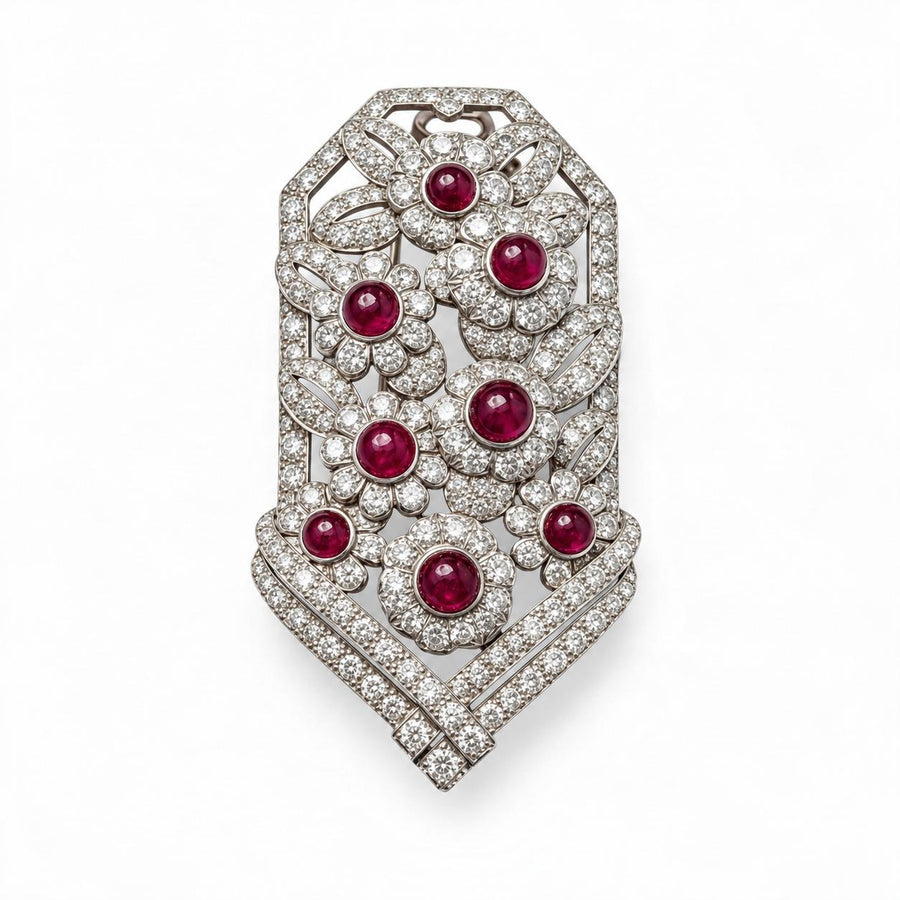
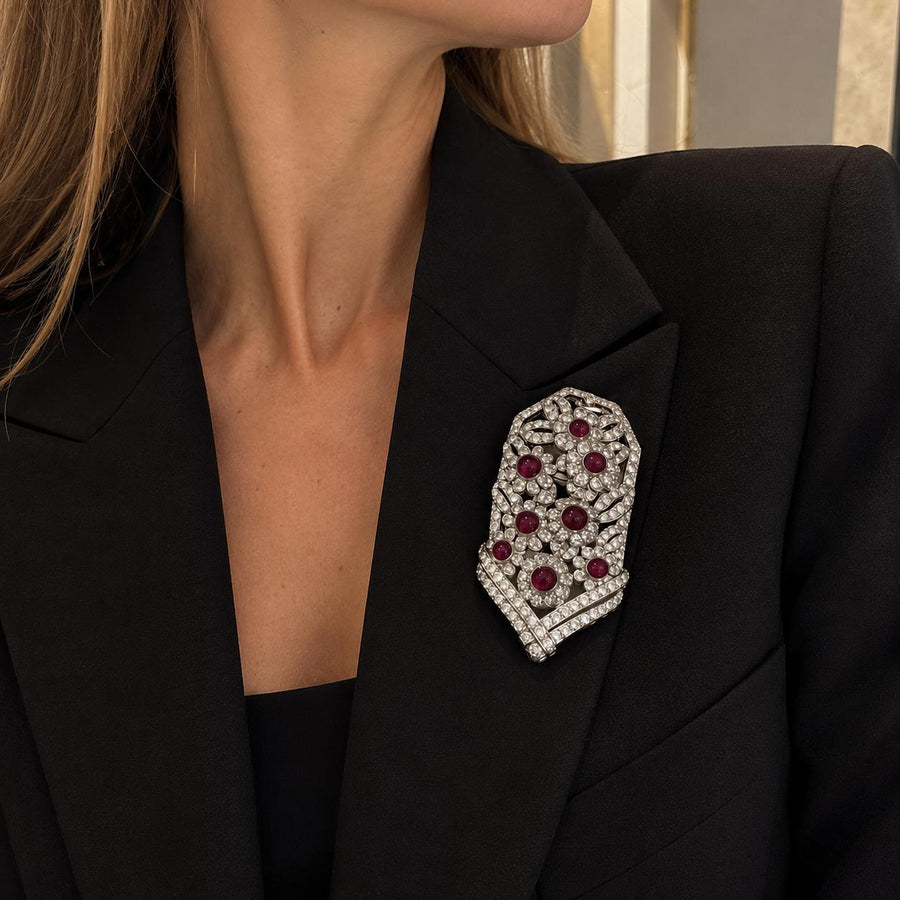
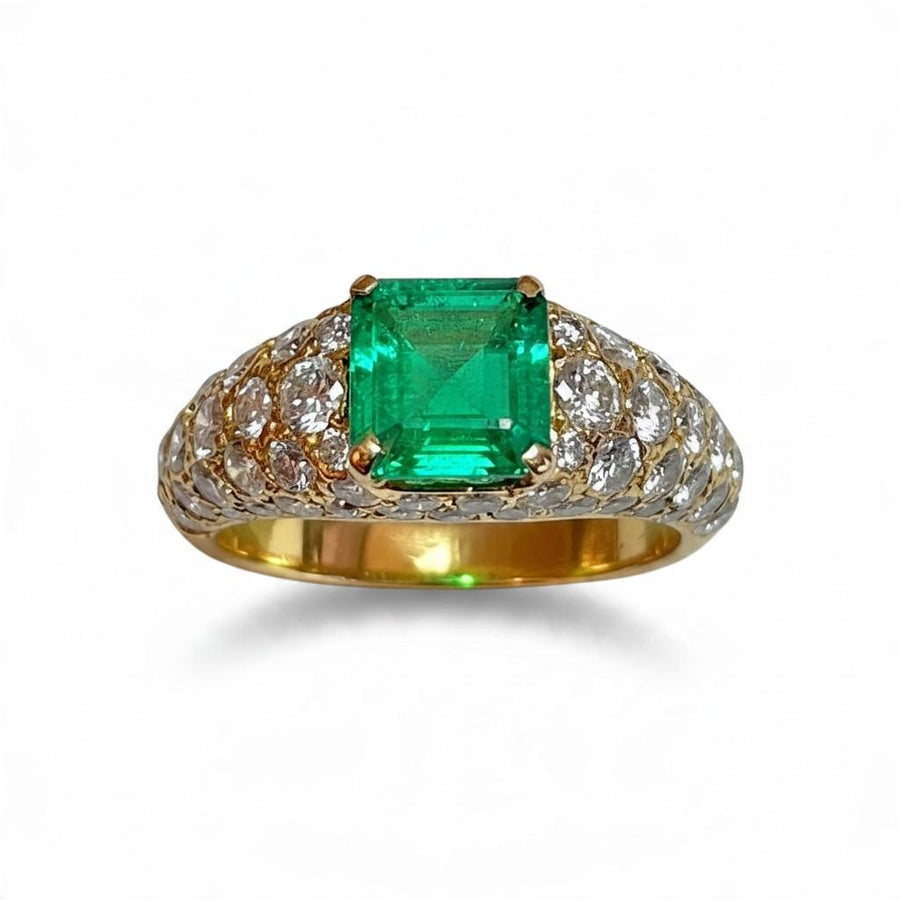
Every Cartier piece in our collection is examined for its signature, number, marks, period and craftsmanship before it is offered, and we describe what we see. See the pieces available now in our Cartier collection, read about the house in Cartier: a legacy of elegance and innovation, or book a private viewing at 608 Fifth Avenue or by video.
In the collection
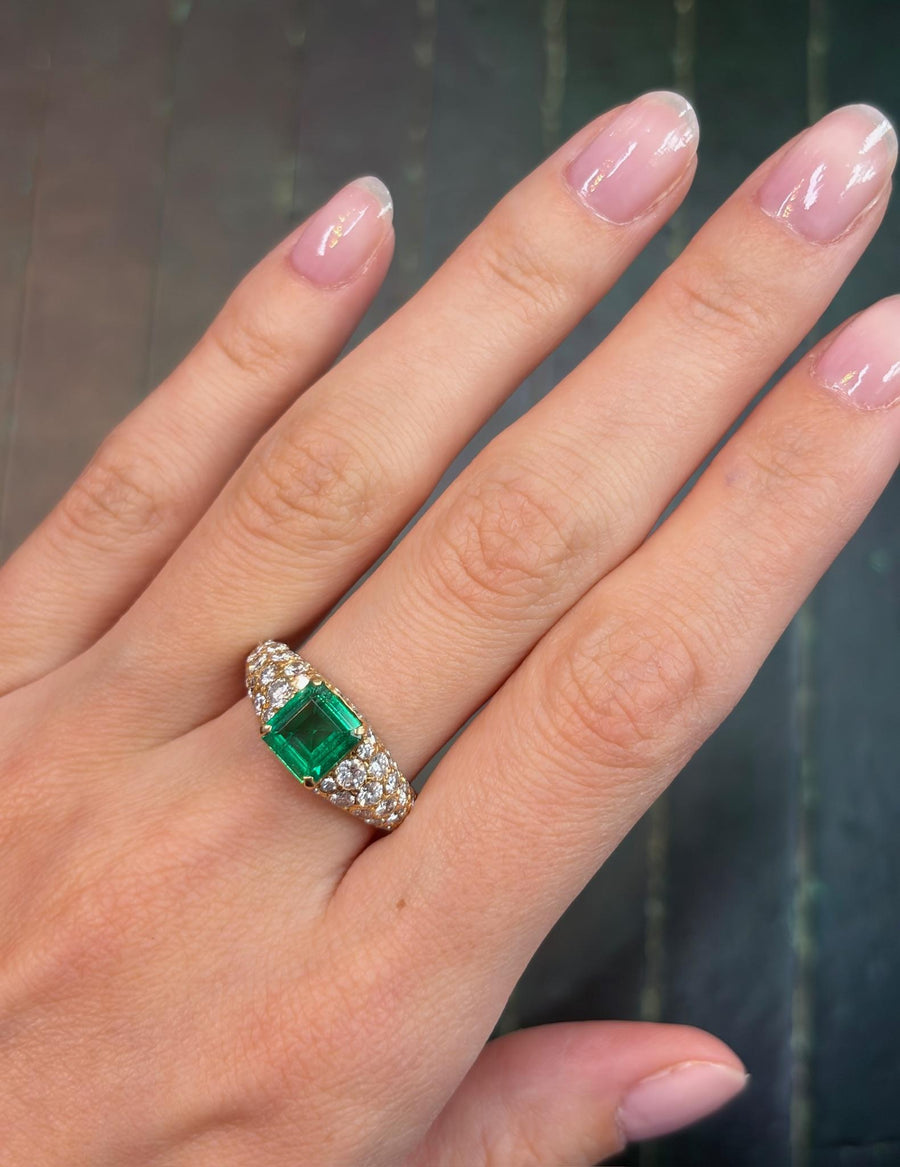
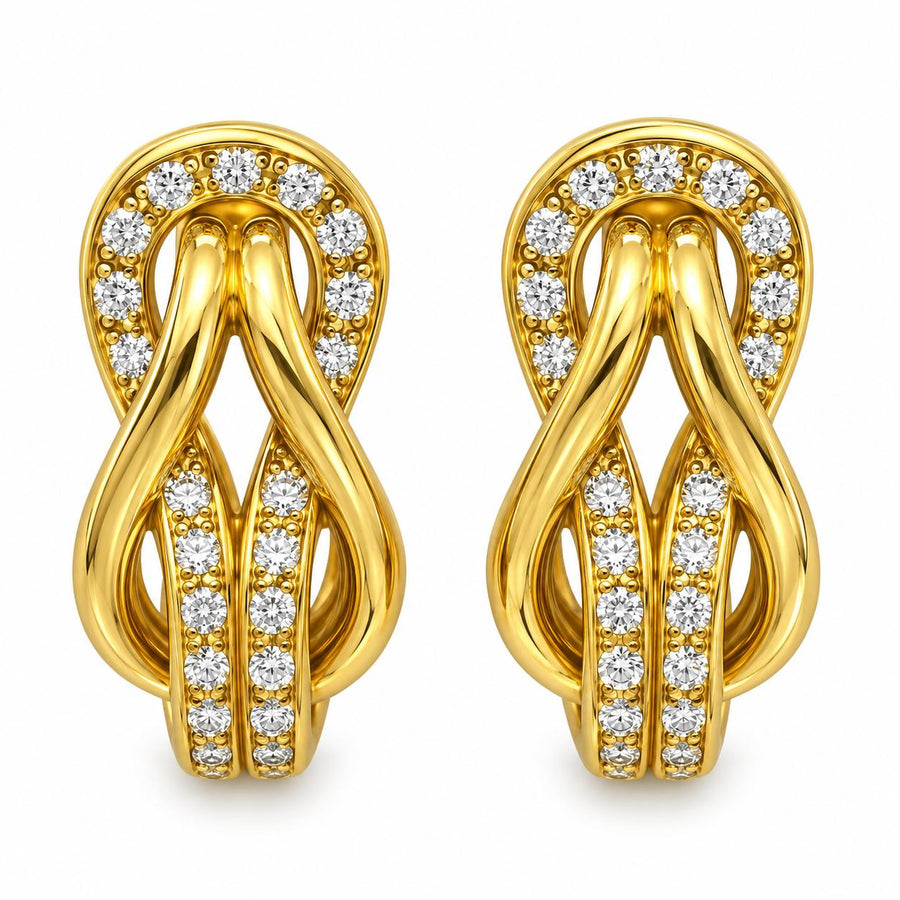
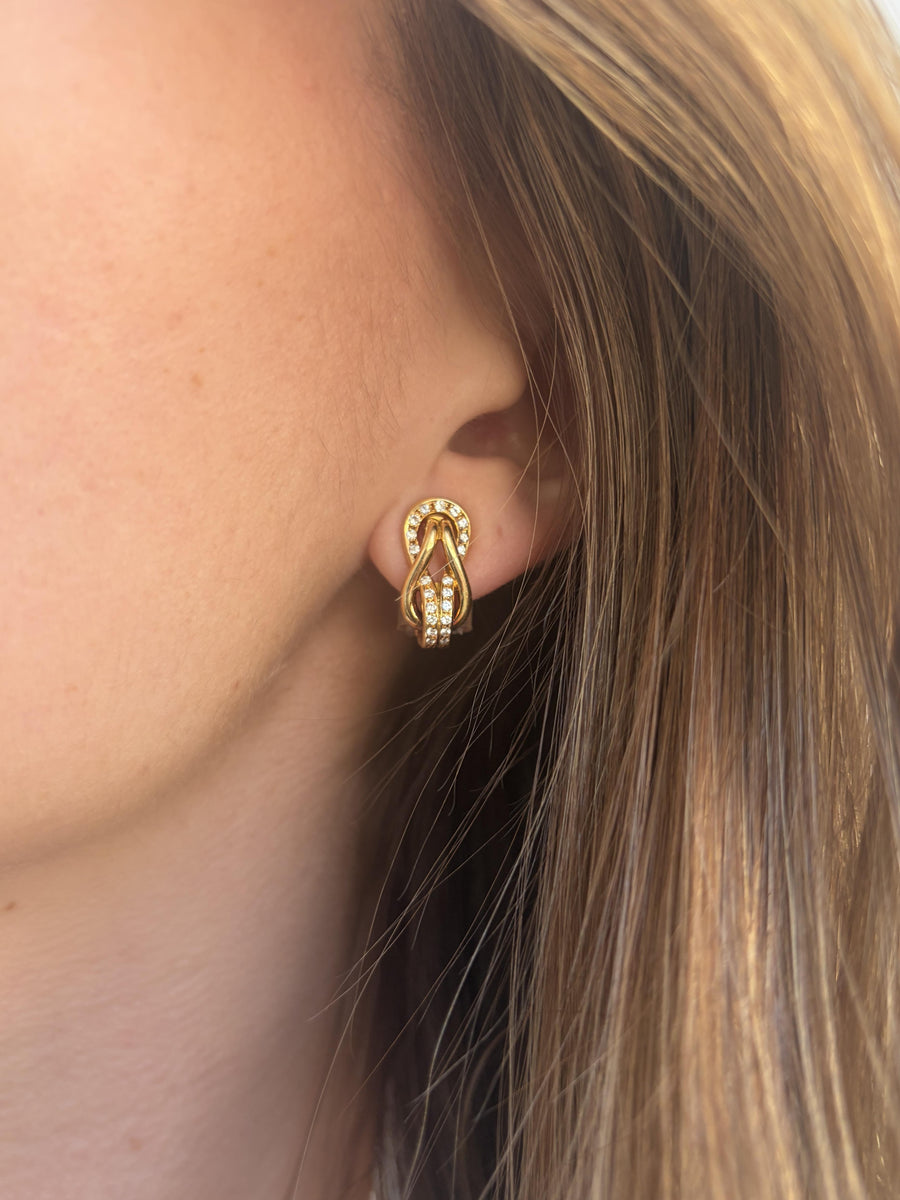
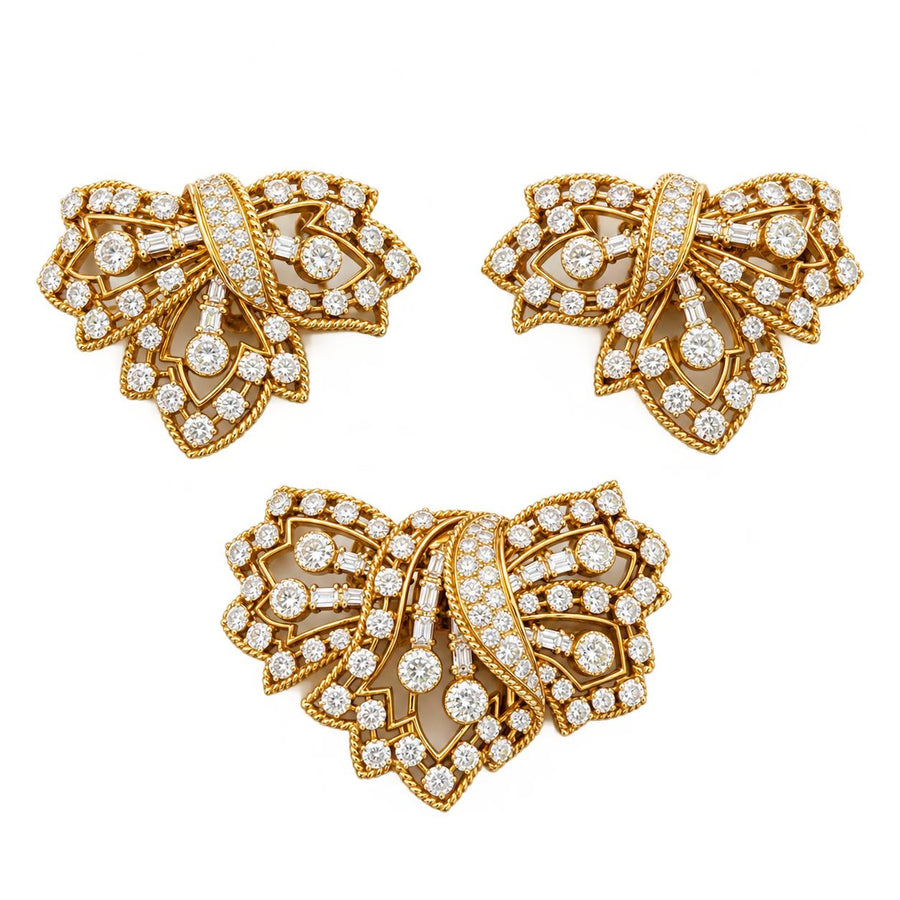
Cartier pieces available now
A jewel in mind?
Looking for a particular piece? We find jewels for collectors every week.
The Journal


