The Journal · July 15, 2026
Belle Epoque
Belle Époque — The Diamond Age
When platinum changed everything, and Paris taught the world how to wear light.
There are eras in jewelry history that feel inevitable in retrospect. The Belle Époque is one of them. From 1871 — the end of the Franco-Prussian War — to 1914 and the outbreak of the First World War, Europe experienced something it had rarely been given: sustained peace, expanding prosperity, and an unshakeable belief that beauty was worth pursuing for its own sake. Jewelry was where that belief became material.
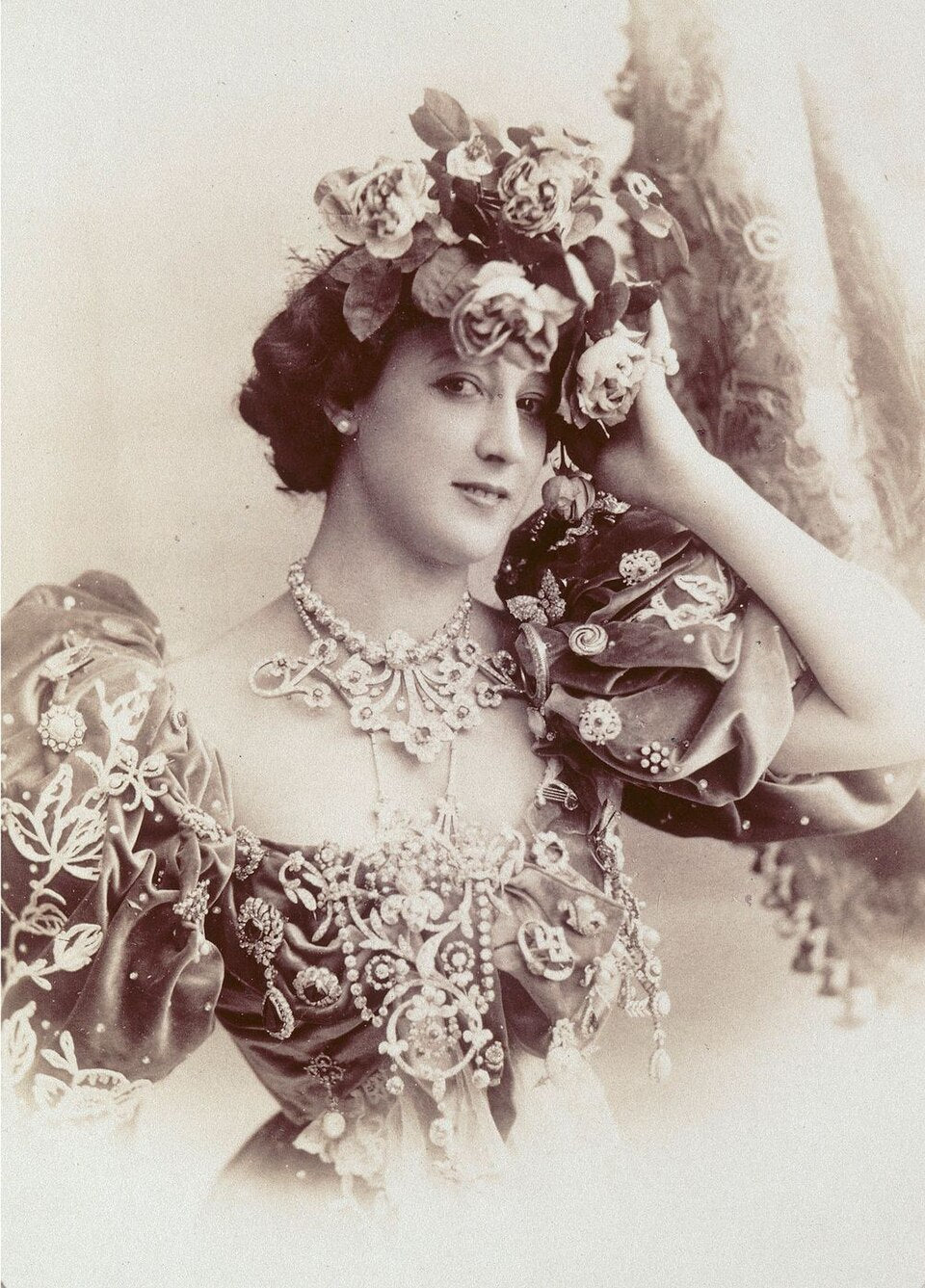
The era was characterised by optimism, economic prosperity, and significant cultural, technological, and scientific innovations, with rapid industrial expansion across France fueling the confidence that beauty was worth pursuing for its own sake. That confidence moved through every art form. In jewelry, it produced objects of such technical refinement and visual lightness that they still read as modern. Platinum against diamond, diamond against pearl — the era's jewelers worked in a single tonal register, and let the absence of color become the point. No one wore that new language more visibly than the great courtesans of the day; La Belle Otero, draped in diamonds for the camera, became one of the era's most photographed emblems of the style. The pieces feel, even now, like they are barely there. That was entirely the point.
Historical Foundations
Two forces made the Belle Époque possible. The first was geological. The exploitation of South African mines in the late 1860s secured a supply of high-quality diamonds that had no precedent. Stones that had once been reserved for sovereign courts began flowing into the ateliers of Paris, London, and St. Petersburg. Expanding diamond supplies from newly discovered deposits in South Africa made diamonds more available to jewelers than ever before, allowing designers to fully embrace the diamond-heavy garland style that would come to define Belle Époque jewelry.
The second force was metallurgical. Thanks to the invention of the acetylene torch in 1903, platinum was used to create light, delicate works of jeweled art featuring lacy patterns dotted with sparkling diamonds and pearls. Before that, platinum had been an industrial metal — too hard to work with precision. Now it became the defining medium of the age. The widespread use of platinum replaced heavier silver settings, meaning that stones could be held in thinner, more delicate mounts, allowing jewelers to create intricate details that were previously not possible.
The great houses understood the moment. Founded in 1847 by Louis-François Cartier, the House of Cartier had risen to prominence in the late 19th and early 20th centuries as one of Paris's premier jewelry houses. Under Louis Cartier — the most creatively ambitious of the three Cartier brothers — the firm perfected what it called the garland style. Platinum's hardness had always been the obstacle; the metal that could hold diamonds with near-invisible strength was too rigid to bend into anything delicate. Cartier's breakthrough came from an unlikely source: studying the springs and frames of railway sleeping cars, whose engineers had already solved the problem of coaxing strength from a stubborn metal. That study let Cartier move beyond platinum merely topping a gold structure — the extent of what earlier jewelers had attempted — into settings built in platinum alone, thin enough to vanish and strong enough to hold. In 1904, Cartier was being lauded across Europe for its 18th century-inspired garland style, and Louis Cartier's innovations in platinum allowed his jewelers to design pieces that were at once strong, flexible, and light as air in style and construction. He described the new approach as the embroidery of jewelry, rather than its armor.
Then came a second, equally consequential house. The business was established in 1896 by Dutch diamond-cutter Alfred Van Cleef and his father-in-law, Salomon Arpels. In 1906, Alfred and two of his brothers-in-law, Charles and Julien Arpels, acquired space at 22 Place Vendôme, across from the Hôtel Ritz, where Van Cleef & Arpels opened its first boutique. Their first documented sale was a diamond heart. The address they chose was not accidental. Frédéric Boucheron had already settled at 26 Place Vendôme, and many jewelers followed — Chaumet, Cartier, Van Cleef & Arpels — their clientele drawn from nobility, bourgeoisie, and the great Parisian courtesans who set the era's trends. Place Vendôme became the address of desire.

The Defining Aesthetic
Openwork diamond constructions in platinum so finely wrought that the framework almost disappeared — leaving the stones appearing to float in a structure of light.
The vocabulary of the Belle Époque was drawn from two sources: nature and the French 18th century. The era marked the height of the guirlande — or garland — style, when designers filled their creations with airy motifs inspired by nature and 18th-century ornament. Lacy ribbons, bows, wreaths, and floral swags appeared in delicate arrangements that felt both nostalgic and newly modern. Look at any great piece from the period and you see a jewel that quotes the court of Louis XV but breathes like something just made.

The garland style applied to tiaras produced technically extraordinary results: openwork diamond constructions in platinum so finely wrought that the framework almost disappeared, leaving the stones appearing to float in a structure of light. The technique required an exceptional quality of platinum craftsmanship unavailable to earlier generations working in gold. Milgrain detailing — a close-set row of metal beads used to border the jewelry — was featured liberally across Belle Époque designs. It gave even modest pieces an almost textile quality, like lace rendered in metal and stone.
The stones told their own story. Pale-colored gemstones — pearls and diamonds, primarily — were fashioned into lavish necklaces, stomachers, tiaras, and earrings, their tones so close to the platinum settings that metal and stone dissolved into a single field of white light. Aside from natural pearls and diamonds, fancy colored diamonds in yellow, pink, and blue appeared, while aquamarine, topaz, demantoid garnet, and rubies served as accent gemstones. The prevailing cut was the Old European — its higher crown and smaller table producing a warmer, more candlelit brilliance than the modern round brilliant. Under gaslight and early electricity, these stones did not merely reflect. They glowed.
The great commissions defined the period. In 1910, Gertrude Vanderbilt Whitney commissioned from Chaumet a platinum, diamond, and enamel wing tiara — a quintessential Belle Époque creation. A similar dynamism can be seen in the 1908 Cartier garland tiara created for Ada Ismay — the wealthy British shipping heiress — reflecting Cartier's mastery of platinum craftsmanship, with delicate diamond latticework inspired by 18th-century French ornament. These were not simply jewels. They were arguments, made in platinum and diamonds, about what a woman's position in the world was worth announcing.
Collector Relevance Today
The market for signed Belle Époque pieces has never been casual. Rarity is structural: there is a very limited quantity of jewels from the era that have survived, and survived in their natural state — and high-quality fine pieces of any era remain collectible. When stones are altered, settings replaced, or signatures buffed away by past jewelers who did not understand what they held, the piece is diminished in ways that cannot be undone. Provenance, hallmarks, and the original mount matter enormously.
Auction results confirm the sustained appetite. In 2007 in Geneva, two yellow diamonds that had belonged to the celebrated courtesan La Païva — a pear-shaped stone of 82 carats and a cushion-shaped stone of 102 carats — sold for 3.5 and 5 million Swiss francs respectively. These stones had circulated at the center of Belle Époque Parisian society. They carried the weight of that world. At Christie's in May 2023, a Cartier Belle Époque natural pearl and diamond écharpe sold for CHF 655,200 — more than double its high estimate of CHF 300,000 — a reminder that fully documented, signed pieces from the great Place Vendôme houses continue to outperform expectation.

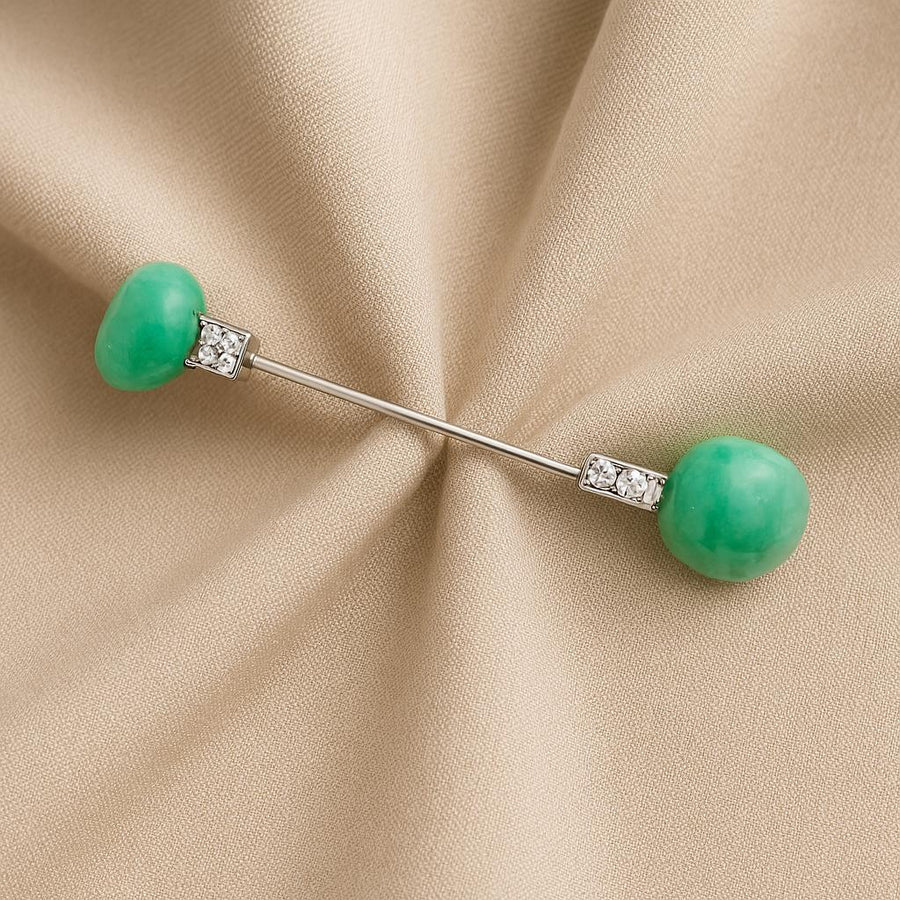
Prices can vary enormously within the category, and the spread is instructive. An unsigned garland-style bar brooch in worn platinum might trade for a few thousand dollars — respectable, but replaceable. A documented, signed piece from Cartier or Van Cleef & Arpels, with intact original stones and a clean chain of provenance, moves into an entirely different register. The signature does not simply add a premium. It converts the object from a period piece into a historical document — proof that a specific atelier, at a specific address on the Place Vendôme, once decided that platinum could be made to disappear so that light alone would remain.
Peace does not often leave behind objects this fine. The Belle Époque did — and we are still learning to read what they meant.
Written by Olivia Aurtenechea
In the collection
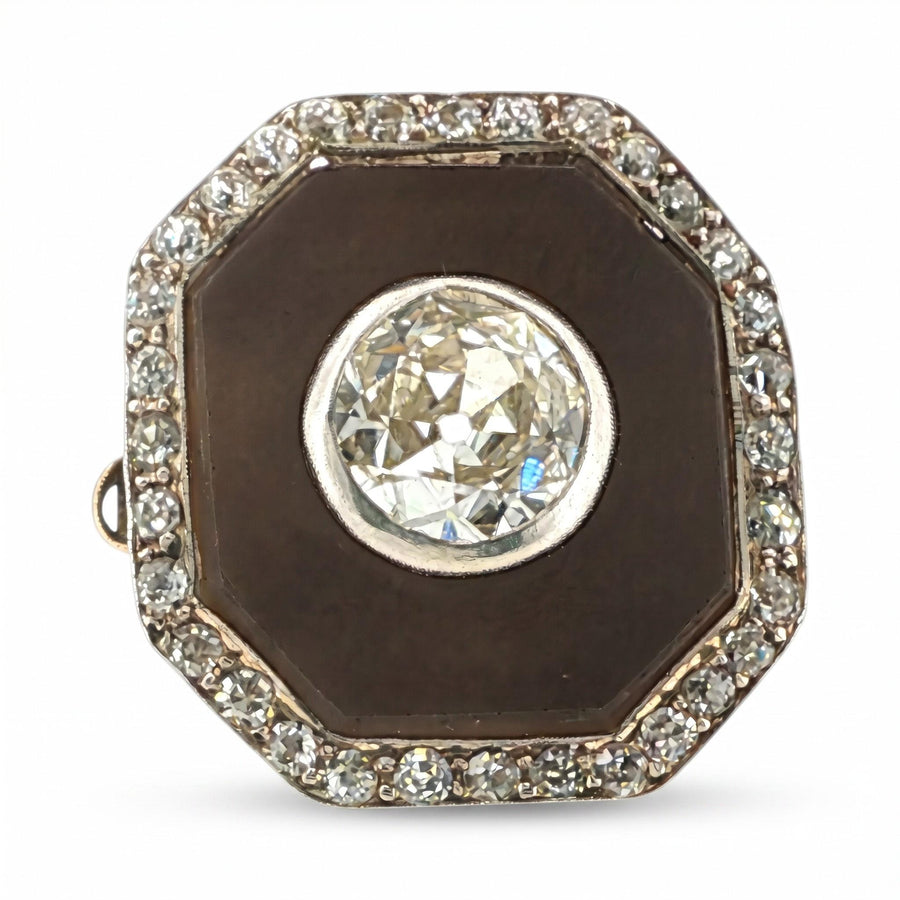
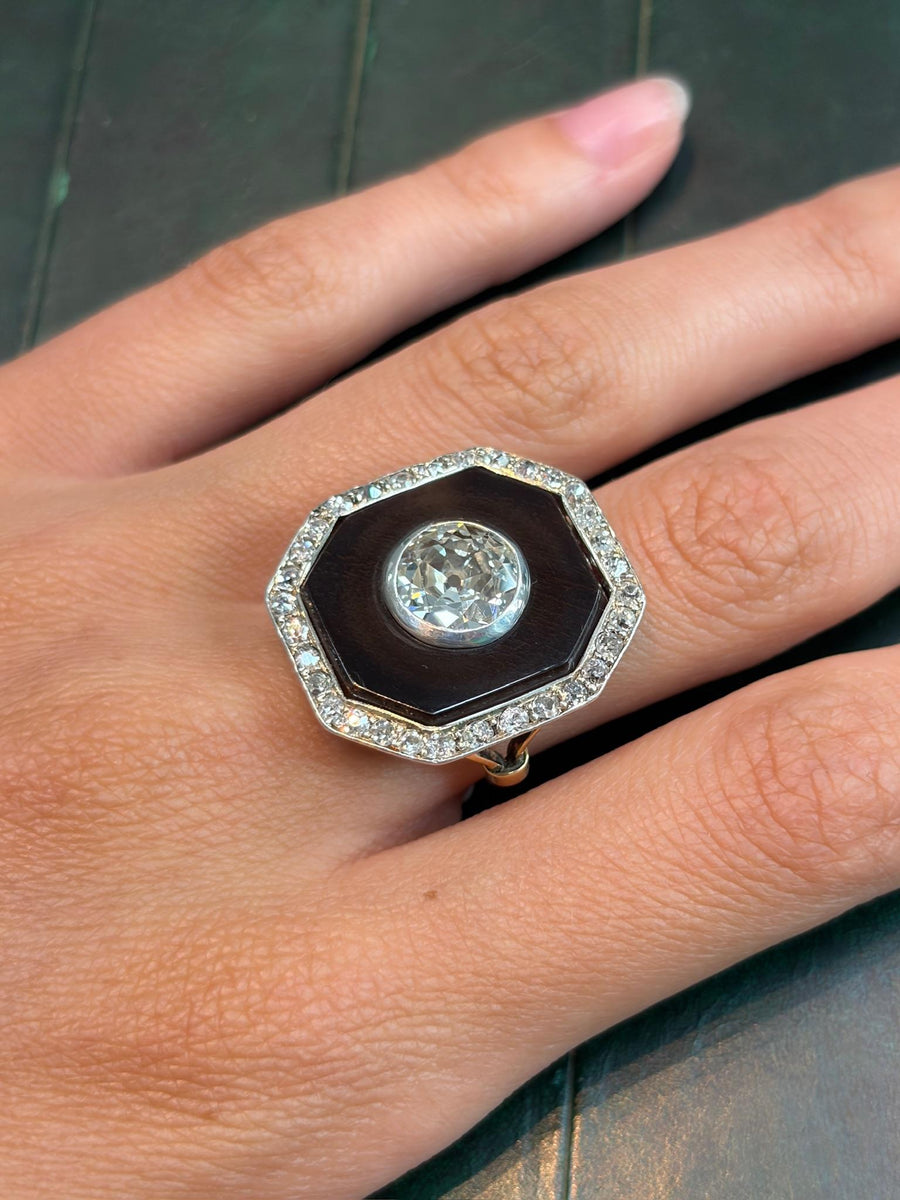
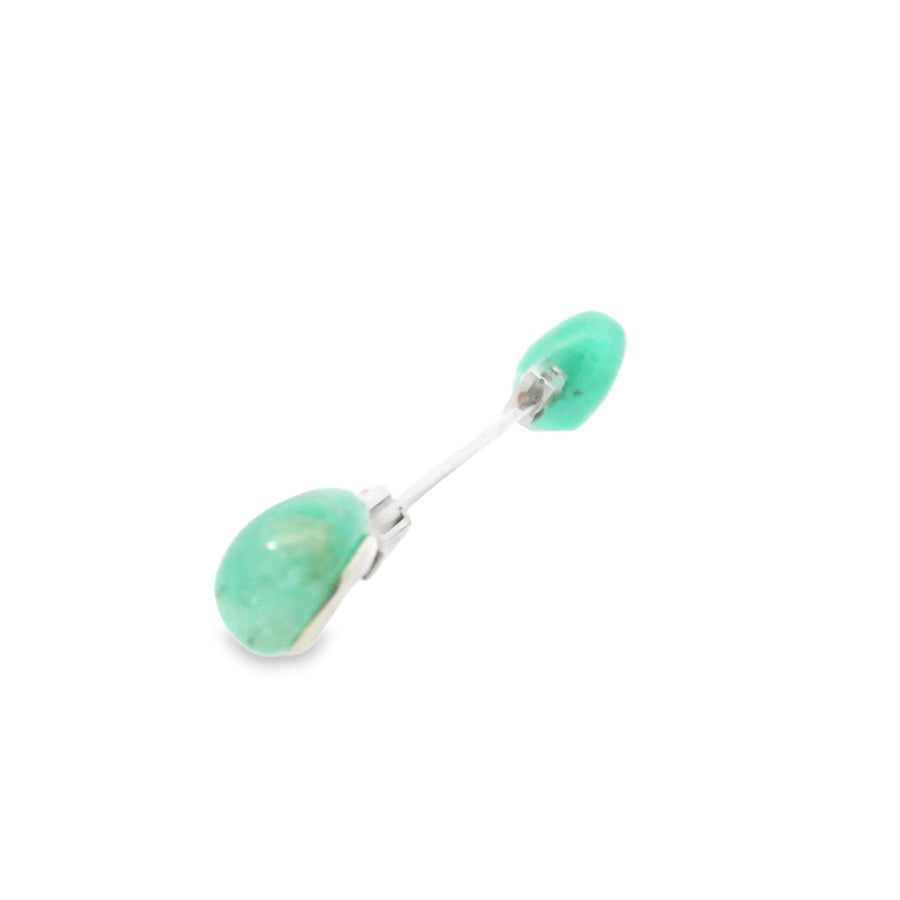
Belle Époque pieces available now




A jewel in mind?
Looking for a particular piece? We find jewels for collectors every week.
The Journal


