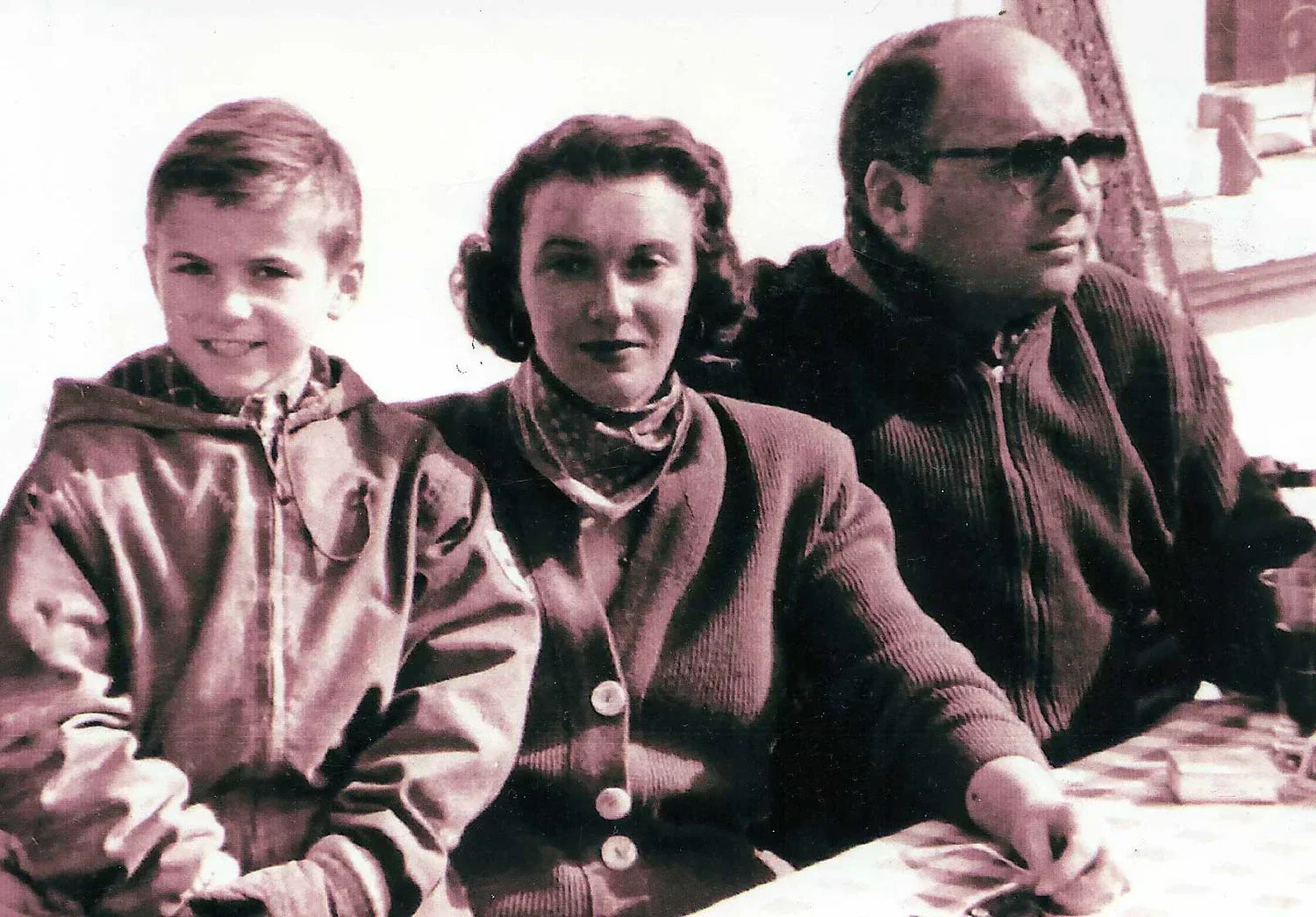
Artículo: Benjamin Sberro
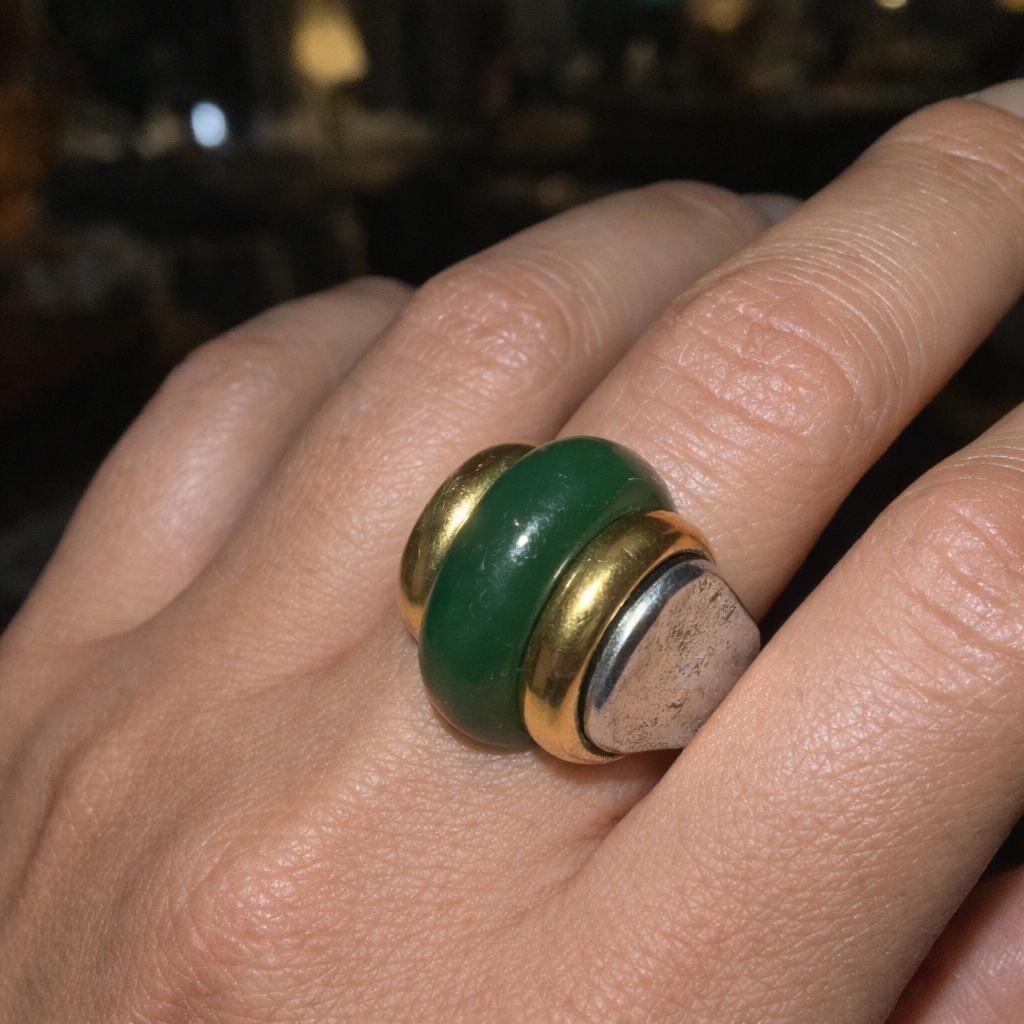
Benjamin Sberro
The People Behind Odeon · Benjamin Sberro
I Entered This World
Through a Little Door
A life built around seeing.
By Benjamin Sberro
I did not choose jewelry. Jewelry chose me — the way most things that matter choose you — quietly, when you are not looking for them.
I became a runner — at the largest estate jewelry dealer in New York City. I was young, hungry, and invisible. Which is the best possible position when you are trying to learn something real. A runner carries. A runner waits. A runner does not interrupt.
So I watched.
There is an education that only invisibility provides. When people believe you are furniture, they speak freely. I learned what a room sounds like when something extraordinary enters it. I learned the difference between performance and conviction. I learned that in this business, the most valuable knowledge is never written down. It lives in the hands and eyes of those who have given their lives to it.
The Piece That Changed Everything
At some point — I cannot tell you when — I stopped carrying pieces and began reading them. The hallmarks. The weight. The grammar of a period. The silence of a stone.
There was a diamond. Important. With a history long enough and private enough that it will never be mine to share. It passed through the room on a day my employer was away. A buyer appeared. A conversation unfolded.
I sold it.
Instead of showing me the door, my employer paused — and took me under his wing. What he saw was not confidence. It was recognition. He saw that I had learned to see. In this business, that is everything.
"The most important thing in this business is not what you own. It is what you can see."
— Benjamin Sberro
The Formation
What followed was an education no institution offers. I counted stones in micro-pavé settings until I understood not just the number but the intention behind each placement — the setter's logic, the rhythm of the hand, the refusal of shortcuts.
I sat in underground vaults on Madison Avenue and inventoried thousands of pieces — fortunes and almost-nothings — learning that the difference between them is invisible until it isn't. You cannot rush this kind of formation. You show up. You pay attention. Time does the rest.
What France Gave Me
I am French. Strasbourg is a city with a long memory — passed between nations, yet never losing itself. Growing up there gives you a feeling for permanence. For the difference between what is built to last and what is built to sell.
France also gave me a language for objects. Not sentimental — precise. Demanding. Provenance matters. Craft matters. Marks matter. The eagle's head pressed into gold. The owl. The lozenge of a maker's mark. They felt like punctuation in a sentence I had been reading my whole life.
The Question We Ask Every Piece
Odeon was never about a single geography. Hugo and I source wherever the pieces are — through relationships cultivated slowly, deliberately. The filter is not origin.
The question is simpler and harder: does it whisper something? Is there a weight in the gold? A decision in the stone? A construction that suggests the maker was thinking not about the sale, but about the person who would one day wear it?
Why This, and Not Something Else
Before jewelry, there was media — years spent learning how stories move, how perception is shaped, how attention is built and held. It was good work. But I missed permanence.
I missed holding something that had survived a century and would survive another. Something that did not need explanation.
Everything else — the sourcing trips, the Fifth Avenue address,
the pieces that pass through our hands — is a consequence of that seeing.
I entered this world through a little door.
I have never once wanted to leave.