Article: The Ultimate Care Guide

The Ultimate Care Guide
Care & Maintenance · Odeon Collection
How to Care for Gold
and Platinum Jewelry
Pieces that have survived decades deserve care that matches their quality.

Photo: Syed F Hashemi / Unsplash
A piece of European vintage jewelry has already outlasted its maker, its first owner, and most of the world it was created in. What it needs from you is not complicated — but it does require attention.
Gold and platinum are among the most stable materials in existence. They do not corrode. They do not tarnish. What dulls them is accumulation — skin oil, lotion, soap residue, the ordinary residue of a life lived. The solution is simple and consistent: clean gently, regularly, and with the right tools. Nothing more is required.
The pieces that age badly are not the ones worn too often.
They are the ones stored incorrectly and cleaned carelessly.
Cleaning Gold
Gold is soft enough to scratch if treated roughly, resilient enough to last centuries if treated correctly. The method below works for 18k and 14k gold in any form — rings, bracelets, necklaces, brooches.
What you need
| Mild dish soap — fragrance-free, no additives |
| Warm water |
| Soft-bristle toothbrush — dedicated to jewelry only |
| Lint-free cloth for drying |
Prepare the solution
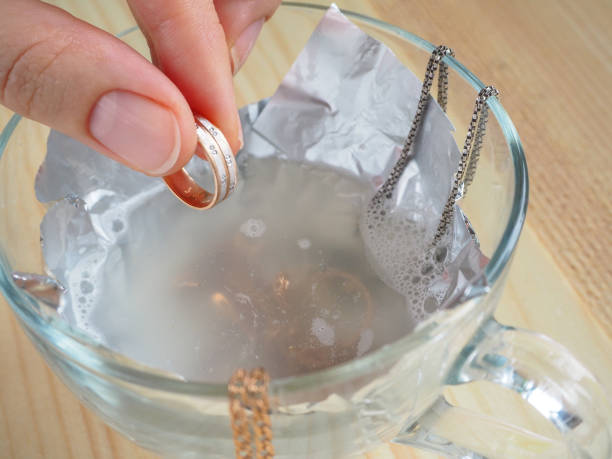
A few drops of mild dish soap in a bowl of warm water. Warm, not hot — extreme temperatures stress settings and can loosen stones over time.
Soak for 15–20 minutes
Let the piece sit. The soak does the work — it loosens oils and residue that mechanical scrubbing alone cannot shift. Do not skip this step.
Brush lightly
Soft-bristle brush around settings, between links, into any engraved detail. Light pressure only — you are dislodging residue, not removing material.
Rinse thoroughly
Lukewarm running water. All soap must go — residue left in settings dulls stones and accelerates buildup. Plug the sink before you start.
Dry and buff
Pat dry with a lint-free cloth, then buff gently in the direction of any surface grain. The gold will shine on its own.
Notes for gold
For stubborn buildup: a 50/50 solution of warm water and white vinegar for 10 minutes, then rinse well. Effective and safe for gold without stones.
If your piece contains stones, check that settings are secure before submerging. Emeralds, opals, and pearls require specialist care and should not be soaked.
Never use toothpaste, baking soda, or abrasive pastes. They remove material — including the surface of your gold.
 The weight of a well-made piece tells you something before you look at it closely.
Cleaning Platinum
Platinum is denser and more durable than gold, but responds to cleaning in a similar way. The difference is in the patina: platinum develops a soft, satiny surface over time that many collectors actively prefer. Whether you maintain the high polish or allow the patina to develop is a matter of preference, not necessity.
What you need
| Mild dish soap |
| Warm water |
| Soft-bristle toothbrush or soft cloth |
| Jewelry polishing cloth — platinum-specific if restoring high shine |
Prepare and soak
Warm water with a few drops of mild dish soap. Soak for 10–15 minutes — slightly less than gold, as platinum's density means it releases residue more readily.
Brush lightly
Soft brush around settings and crevices. Platinum is more scratch-resistant than gold, but its surface finish is still vulnerable to abrasive contact.
Rinse and dry
Thorough rinse under warm water, then pat dry with a lint-free cloth.
Polish if desired
If you prefer the high-polish look over the natural patina, use a platinum-specific polishing cloth. Significant surface scratching requires professional re-polishing — not more aggressive home treatment.
Notes for platinum
For a deeper clean, one part ammonia to six parts warm water — five minutes, then rinse thoroughly. Do not use on pieces with emeralds, opals, pearls, or other porous stones.
Avoid chlorine. It does not damage platinum directly but can weaken prong settings. Remove platinum pieces before swimming or using cleaning products.
"The pieces that age badly are not the ones worn too often. They are the ones stored incorrectly and cleaned carelessly."
— Odeon Collection
How Often
| Wear pattern | Recommended frequency |
|---|---|
| Daily wear pieces | Every 2–4 weeks |
| Occasional wear | Before and after storage |
| All pieces | Annual professional inspection — settings, prongs, deep clean |
What Not to Do
Toothpaste or baking soda.
Both are abrasive. Both will scratch gold and platinum over time. Neither is an acceptable substitute for mild soap.
Bleach or household cleaners.
Chlorine-based products can discolor gold alloys and weaken settings. Keep jewelry away from cleaning products, pools, and hot tubs.
Ultrasonic cleaners for certain stones.
Diamonds generally tolerate ultrasonic cleaning. Emeralds, opals, turquoise, and pearls do not. When in doubt, do not use one.
Over-polishing.
Each polishing removes a small amount of material. For a vintage piece with engraving, milgrain, or fine surface detail, excessive polishing erodes what makes it remarkable. Polish sparingly, and professionally when possible.
Showering and swimming in jewelry.
Soap residue builds up in settings and accelerates dullness. Chlorinated and saltwater environments stress both metal and settings. Remove pieces before water exposure.
Storing Properly
Cleaning and storage are equally important. A piece cleaned carefully and then stored incorrectly will deteriorate faster than one that was never cleaned at all.
Store pieces individually — gold scratches gold. Use separate pouches, compartments, or a lined jewelry box that keeps pieces from contact with each other.
Avoid exposure to perfume, lotion, and hairspray. Apply these first, allow them to dry, then put on jewelry.
Anti-tarnish pouches or strips slow oxidation for pieces in long-term storage. Inexpensive and effective.
 Separate compartments, a lined interior, individual pouches. Storage is not an afterthought — it is part of the care.
Photo: House Beautiful
A piece that has survived a century asks very little.
Clean it. Store it properly. Wear it.
That is enough.